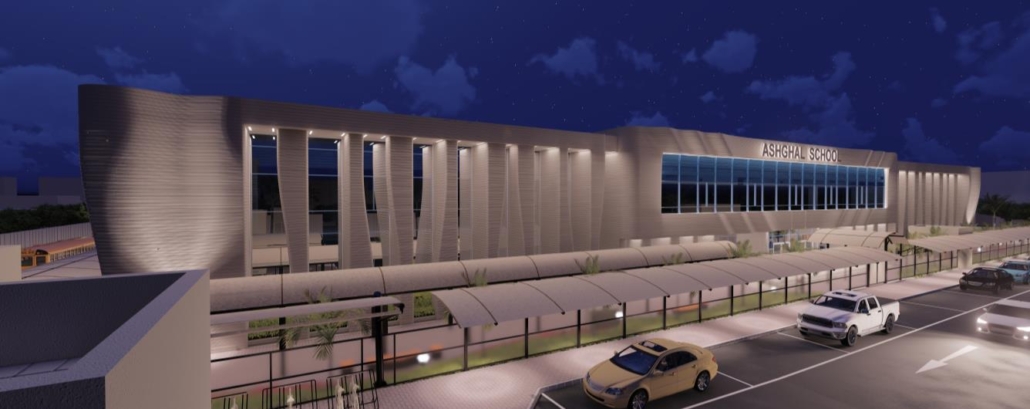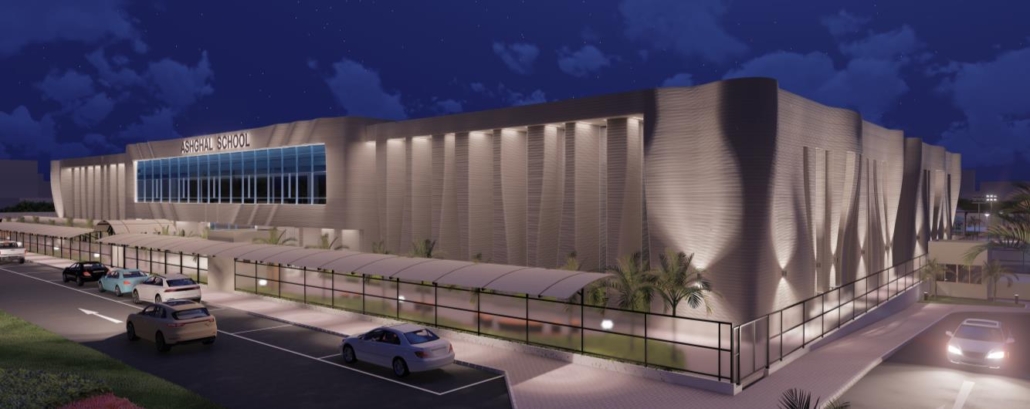

3D Printed Buildings :
Future of construction is here…
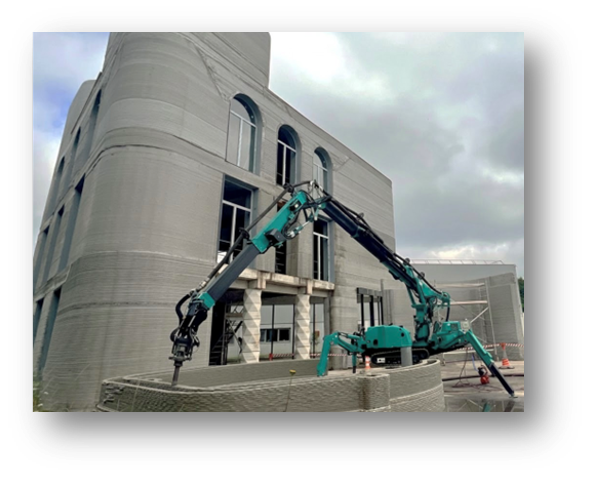
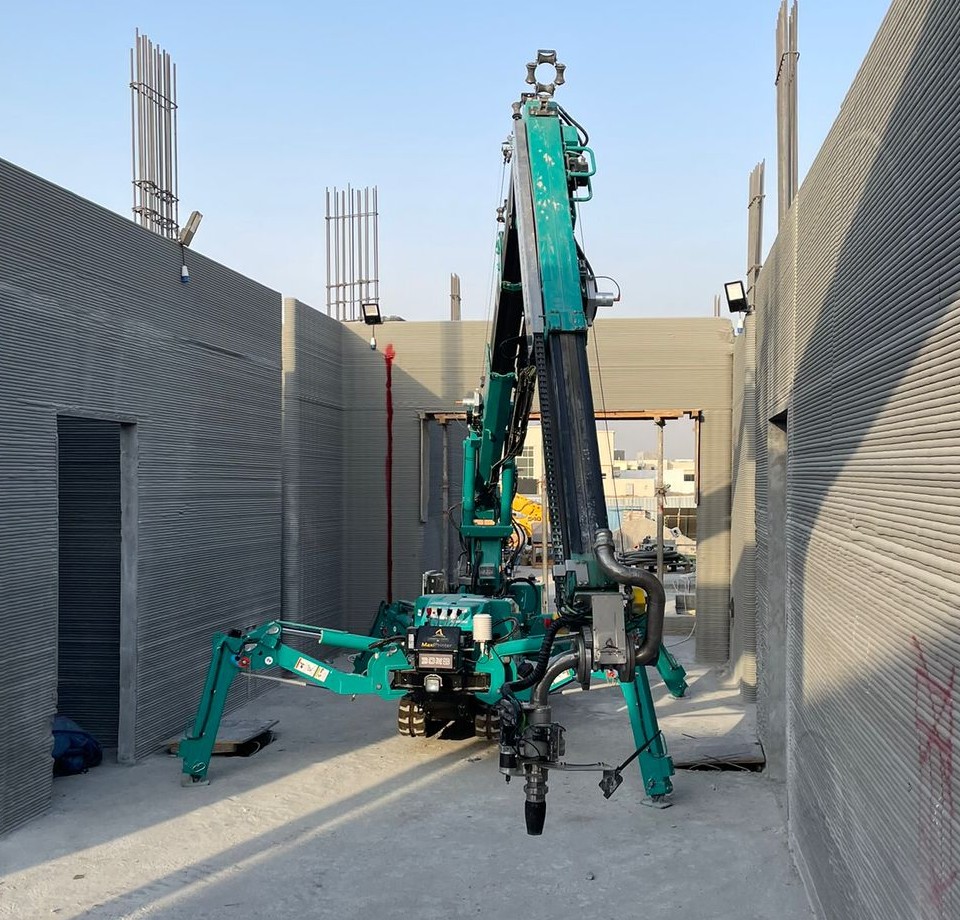
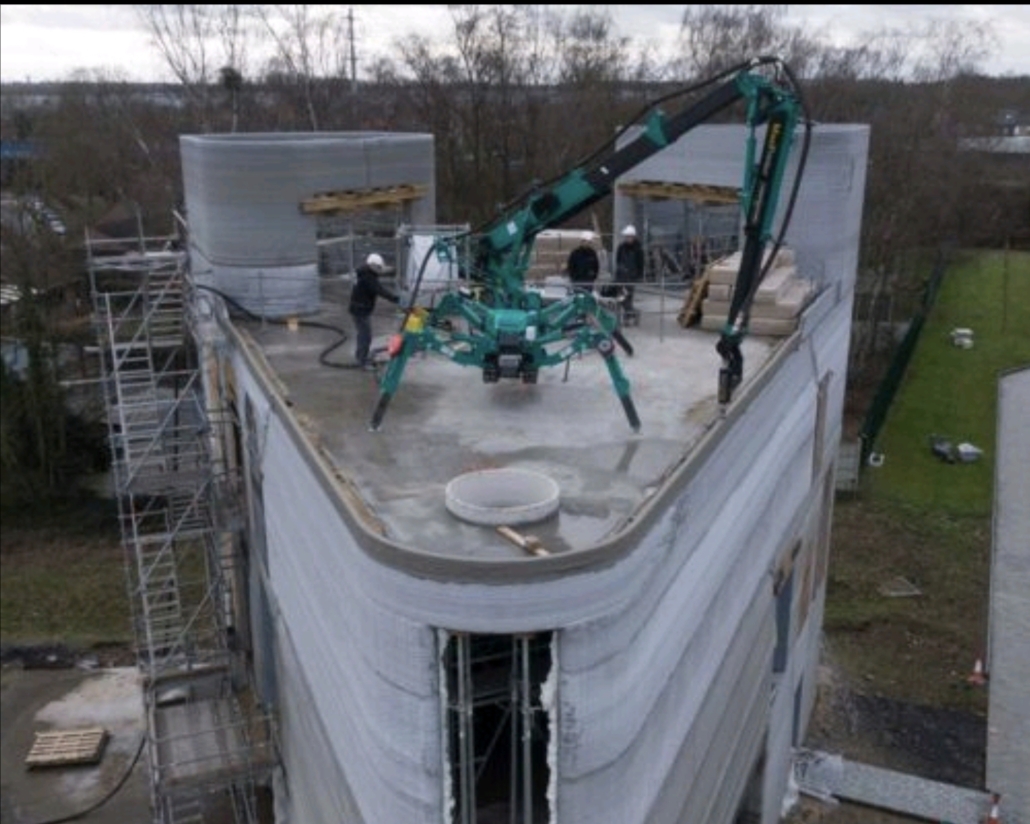
GGI is pleased to present its 3D Concrete Printer (3DCP), a state-of-the-art robotic concrete 3D printing system. This document outlines the key benefits and features of using GGI’s 3DCP system for your project.
Developed by GGI’s R&D team, this industry first planning software optimizes machine placement for mobile 3D concrete printers, reducing both relocation time and material waste through integration with AutoCAD, slicing software, and site engineering plans. Enables the creation of unconventional and complex shapes that are difficult or expensive to achieve using traditional formwork. Architects and engineers can produce innovative designs such as curved geometries and cellular structures with high precision and efficiency.
Advantages :
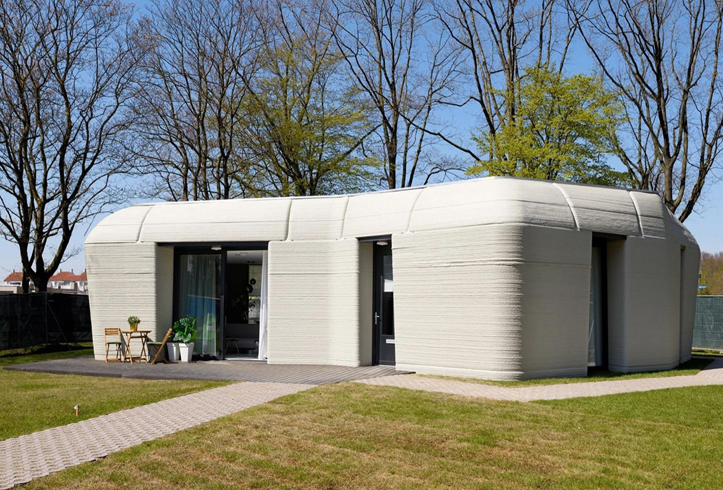
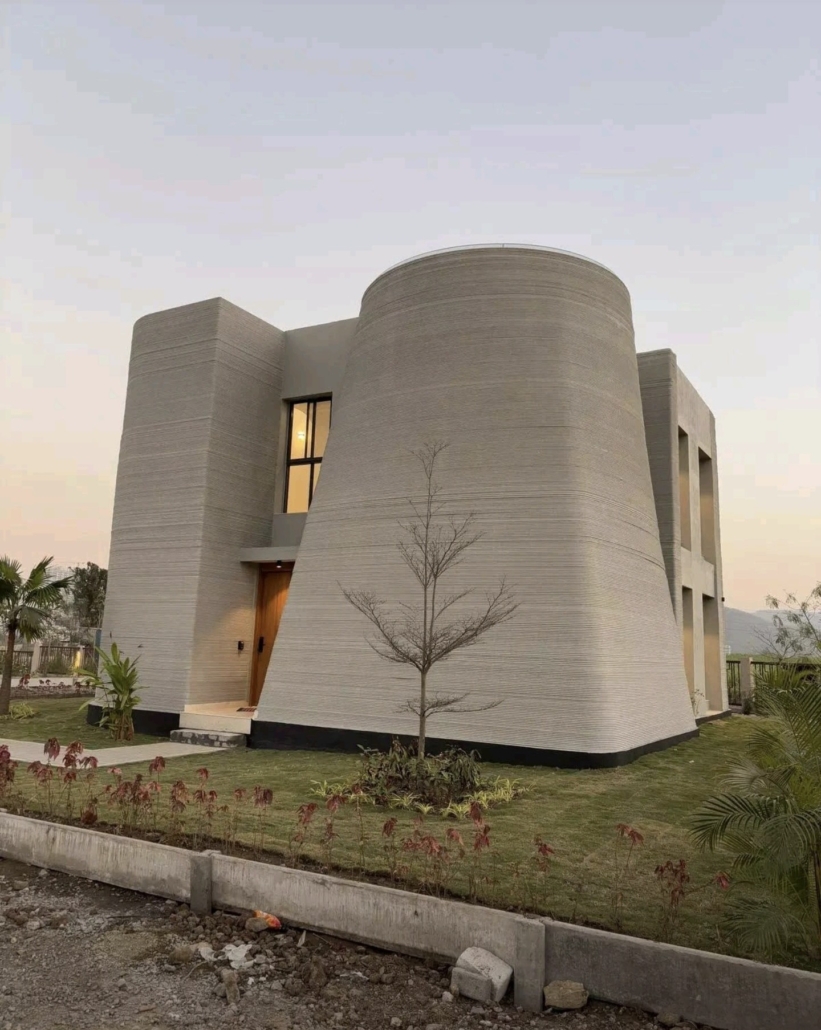
Design Freedom : Enables the creation of unconventional and complex shapes that are difficult or expensive to achieve using traditional formwork. Architects and engineers can produce innovative designs such as curved geometries and cellular structures with high precision and efficiency.
Rapid Delivery : Automates position planning through in house software, reducing preparation time from weeks to minutes, and automates construction at speeds up to 250 mm/s, cutting traditional construction timelines from months to days
Reduced Manual Labours and Risks :Operated by trained personnel, the GGI printer minimizes manual labor compared to traditional construction, improving safety by reducing exposure to heavy and hazardous tasks. A user-friendly touchscreen allows operators to supervise the process from a safe distance
Trusted Technology : Developed by our partners and used in pioneering projects located in the GCC, demonstrating trusted performance in real construction environments.
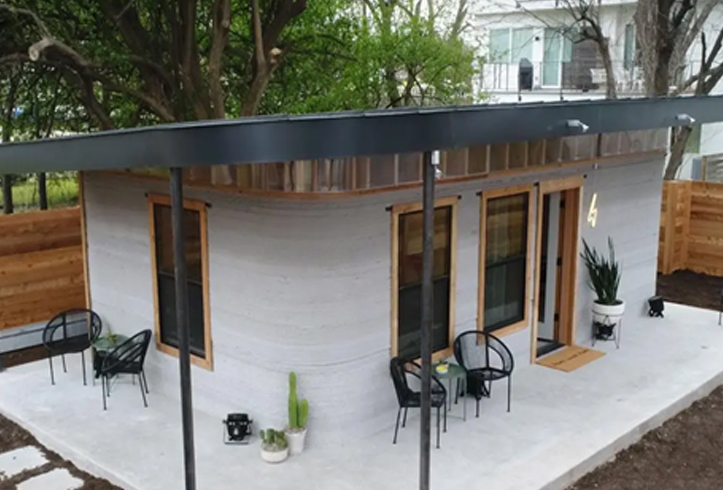
Versatile Applications : Supports both factory prefabrication of walls, façade panels, and landscape elements, as well as on site printing of full structures, providing flexible deployment options.
Reduced Waste : Places concrete only where needed, eliminating formwork waste and reducing the required equipment (cranes, trucks, and mixers), which lowers the overall carbon footprint.